Diwali also known as Deepavali is one of the most widely celebrated festivals in India and across the world and among Indian communities around the world. Diwali is the celebration of lights, it symbolizes the victory of light over darkness, knowledge over ignorance, and good over evil. It’s a fun time when homes are illuminated with decorations, lights, and religious figurines
The origins of diwali are rooted in multiple legends and regional traditions across India. Its meaning and customs are sometimes just slightly different depending on faith and geography but the underlying message of the victory of good remains the same.
In North India, it marks Lord Rama’s return to Ayodhya after defeating the demon king Ravana-a celebration of righteousness and courage. In western India, it honors Lord Krishnas’s victory over Narakasura, symbolizing the destruction of evil.
For many, it is also the day to worship goddess Lakshmi, the goddess of wealth and prosperity. Jainism is an ancient Indian religion that teaches people to live peacefully and harmlessly. It is more of a way of life than a belief in a single god and focuses on the soul’s journey to become pure and free.
Jains celebrate it as the day Lord Mahavira attained Nirvana while Sikks a monotheistic region founded in the 15th century by Guru Nanak Dev Ji in Punjab, India. It teaches that God is one to observe and how all humans are equal. Sikks celebrate Bandi Chhor Divas, marking Guru Hargobind Ji’s release from imprisonment.
Diwali lasts up to five days each with a special custom. Dhantreras: The first day, when people buy new utensils, gold, or silver as a sign of good luck. Day two Choti Diwali symbolizes the victory of light over darkness, homes are cleaned and decorated. Diwali, the main day of celebration, families perform prayers to goddess lakshmi and lord ganesha, light oil lamps, decorate their homes with rangoli, and share sweets and fun times with neighbors and friends.
Govardhan Puja: The fourth day celebrates Lord Krishna’s lifting of the Govardhan Hill to protect villagers from torrential rains. The last day Bhai Dooj honors the bond between brothers and sisters by applying a tilak, a mark of vermilion, on their brother’s forehead.
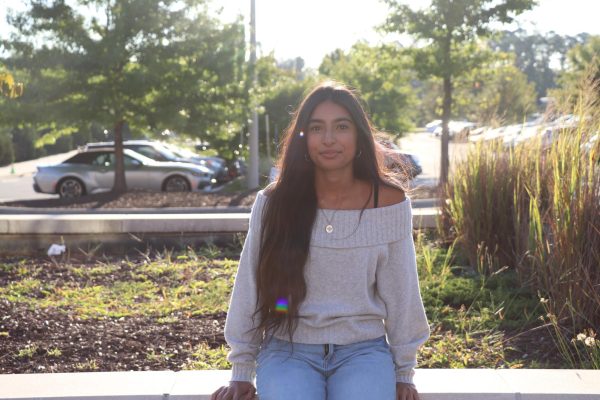
Freshman Isha Kumar said “I love celebrating Diwali and spending time with my family”
Beyond the festivities Diwali carries a profound spiritual message, Lighting lamps represents dispelling ignorance and embracing knowledge. Cleaning homes symbolizes inner purification, and spreading joy reflects the importance of kindness and unity.
Beyond the lights and joy, Diwali reminds everyone to remove the darkness from their lives and to be kind, truthful, and hopeful.